Cleveland Potash
- Home
- Cleveland Potash

Case Study: Cleveland Potash
Implementation of Li-Ion Battery Storage
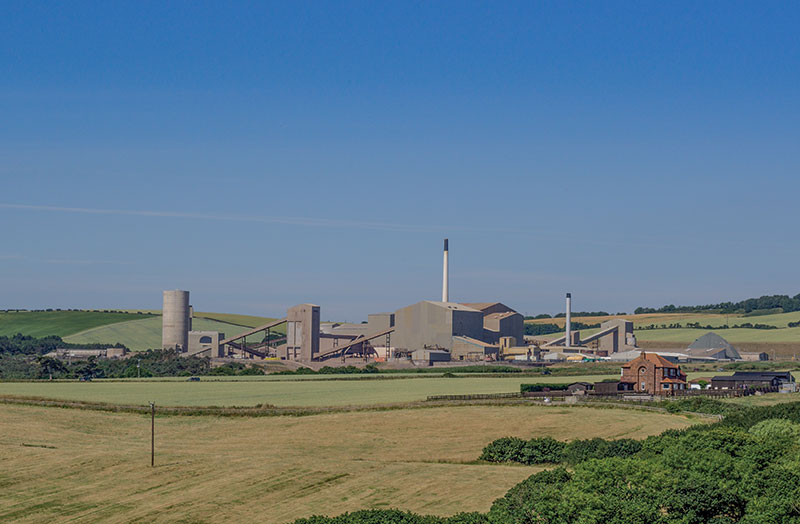
Boulby Mine has been part of ICL Group, as ICL UK, since 2002. Its history, however, stretches back to 1968 when, planning permission was granted to Cleveland Potash Ltd for the underground working of minerals – potash and salt – in an area that extended from Brotton into the National Park in East Cleveland, a range of approximately 8,200 hectares.
In mid-2023, Cleveland Potash faced a pressing issue: safely storing lithium-ion batteries used in their operations. The nature of these batteries posed significant fire risks, and Cleveland Potash needed a reliable, comprehensive solution to mitigate these hazards. Phoenix Safe Co. stepped in to address this challenge, leveraging their expertise in secure storage solutions.

THE CHALLENGE –
Safety and Reliability Concerns
Lithium-ion batteries, while efficient and widely used, are known for their volatility and potential fire hazards. Cleveland Potash’s existing storage methods were inadequate, presenting several risks:
Fire Hazard: The possibility of thermal runaway leading to fires was a significant concern.
Gas Emissions: In the event of a fire, the release of toxic gases posed a severe risk to the facility and personnel.
Durability: The storage units needed to withstand rough handling by forklift drivers and other operational challenges.
Cleveland Potash required a solution that would not only securely store these batteries but also integrate advanced safety features, including fire suppression systems and robust control mechanisms.


The Solution
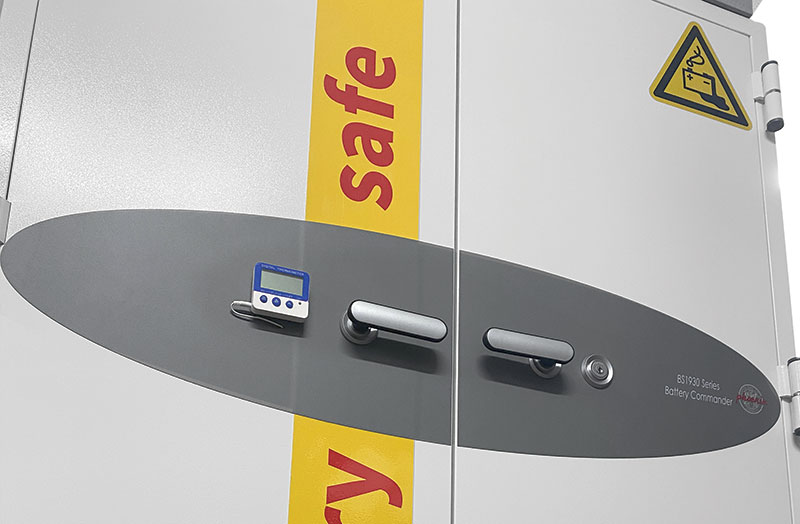
Phoenix Safe proposed their Battery Commander Li-Ion storage cabinets, designed specifically for high-risk battery storage. These cabinets offered several key features to address Cleveland Potash’s concerns:
Advanced Fire Suppression System: Equipped with an automatic fire suppression system using Potassium Nitrate and Potassium Carbonate, effective in extinguishing lithium-ion battery fires. The system included smoke detectors to ensure early detection and response to potential fires.
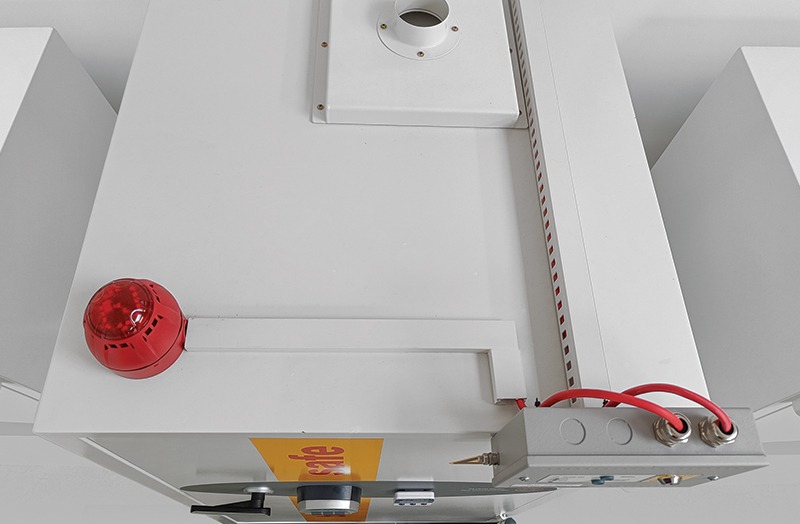
Gas Emission Control: The cabinets were designed to manage and control gas emissions from ignited batteries, reducing the risk of toxic gas release.
Durability and Customisation: Cabinets were constructed with reinforced base plates up to 10mm thick, providing the durability needed to withstand heavy handling and rough operational environments. Custom modifications included replacing standard Power Delivery Units with passive RCD protected MK metal clad versions, enhancing safety and reliability.
Remote Monitoring and Control: The cabinets featured advanced control systems coping with Cleveland Potash’s underground locations with high ambient temperatures. Strobe lights and sirens were included for immediate visual and auditory alerts, with the option for remote mounting.
Comprehensive Component Integration: A full specification for each component, including the controller, extinguisher, and smoke alarm, was provided to ensure clarity and reliability. High-quality, long-life components were used, ensuring a lifespan of up to 15 years for extinguishers and 10 years for electronic parts.

Implementation
Customisation and Manufacturing Phoenix Safe Co. worked closely with Cleveland Potash to customise the Battery Commander cabinets to meet their specific needs.
This involved:-
Design Adjustments: Modifying the base plate design to withstand rough handling and integrating custom passive RCD sockets.
Component Sourcing: Ensuring all components met the required specifications for durability and reliability.
Factory Testing: Conducting rigorous tests, including a Factory Acceptance Test (FAT), to ensure the cabinets performed as required.
Delivery and Installation: The customised cabinets were manufactured and delivered in batches, ensuring minimal disruption to Cleveland Potash’s operations.
The installation process included:-
On-Site Integration: Fitting control units, extinguishers, and RCD sockets at Phoenix Safe Co’s facility.
Testing and Commissioning: Conducting thorough tests to ensure all systems were operational and met safety standards.
Training: Providing Cleveland Potash’s staff with training on the use and maintenance of the new storage cabinets.


Results and Impact
Enhanced Safety and Compliance
The implementation of Phoenix Safe’s Battery Commander cabinets significantly improved Cleveland Potash’s battery storage safety. Key outcomes included:-
Reduced Fire Risk: The advanced fire suppression system and early detection mechanisms greatly mitigated the risk of fires.
Controlled Gas Emissions: Effective management of gas emissions ensured a safer environment for personnel.
Operational Efficiency: The robust and durable design of the cabinets allowed for safer and more efficient handling and storage of lithium-ion batteries.
The enhanced safety features and customisations provided by Phoenix Safe Co. not only addressed Cleveland Potash’s immediate concerns but also streamlined their operational processes. The ability monitor the storage conditions ensured ongoing safety and efficiency.
Conclusion
Cleveland Potash’s collaboration with Phoenix Safe Co. exemplifies how targeted, customised solutions can effectively address complex safety challenges. The successful implementation of the Battery Commander Li-Ion storage cabinets has set a benchmark for battery storage safety and operational efficiency, ensuring Cleveland Potash can continue their operations with enhanced confidence and security.